
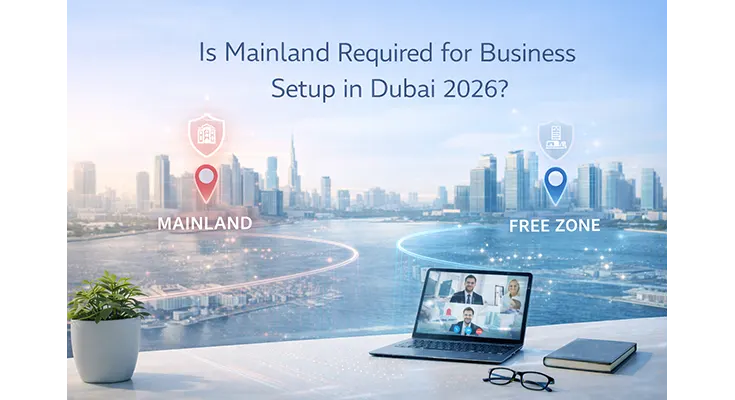
The landscape of business setup in Dubai is dynamic, constantly evolving with new regulations and opportunities designed to attract foreign investment and foster economic growth. As 2026 approaches, entrepreneurs and established companies alike often ask whether a mainland license remains a strict requirement for their operations. The simple answer is that while mainland offers distinct advantages, it is not universally mandatory. Dubai’s robust ecosystem provides various licensing options, primarily divided between mainland and free zones, each catering to different business objectives and operational needs. Understanding these distinctions is crucial for making an informed decision about where and how to establish a presence in this vibrant emirate. Recent legislative changes have significantly impacted the choices available, making the decision more nuanced than ever before.
Key Takeaways
- Mainland licenses are not always a mandatory requirement for business setup in Dubai by 2026; free zones offer viable alternatives based on specific business needs.
- The necessity of a mainland license hinges on your specific business activity, the markets you intend to serve, and your desired ownership structure.
- Recent reforms have eased foreign ownership restrictions on the mainland, allowing 100% foreign ownership in most sectors, thereby reducing one of the primary historical distinctions.
- Businesses operating from free zones now have clearer pathways to engage with the mainland market through specific arrangements, such as setting up a branch or engaging local distributors.
- Economic Substance Regulations (ESR) apply to many businesses regardless of their location (mainland or free zone), emphasizing genuine economic activity within the UAE.
- Free zones like Meydan Free Zone provide benefits such as 100% foreign ownership, full repatriation of profits, and competitive setup costs, appealing to a wide range of enterprises.
- A thorough evaluation of your operational goals, budget, and desired scope of trade is essential to determine the most suitable license type for your venture in Dubai, whether mainland or free zone.
What is the Requirement for Business Setup in Dubai 2026?
The requirement for business setup in Dubai in 2026 is less about a single mandatory path and more about selecting the appropriate license for your specific operations.
- Mainland Licenses: These are issued by the Department of Economy and Tourism (DET) and allow businesses to operate anywhere in Dubai and across the UAE without geographical restrictions. Historically, mainland companies required a local sponsor, but recent amendments have largely abolished this requirement, permitting 100% foreign ownership in most sectors.
- Free Zone Licenses: These are issued by individual free zone authorities and restrict operations primarily within the designated free zone. However, free zone entities can engage with mainland companies, sell goods within free zones, and export internationally. Recent updates have also made it easier for free zone companies to open branches or register with mainland authorities to conduct certain activities directly on the mainland.
- Economic Substance Regulations (ESR): All businesses, whether mainland or free zone, must comply with ESR if they conduct specific “relevant activities” (e.g., banking, insurance, investment fund management, holding company business, etc.), demonstrating actual economic presence in the UAE.
Why Do Businesses Choose Mainland or Free Zones in Dubai?
The choice between mainland and free zone is driven by distinct business advantages and strategic goals.
- Mainland Advantages:
- Direct access to the entire UAE local market, allowing direct trading with consumers and government entities.
- Greater flexibility in office location choices across Dubai.
- No restrictions on obtaining government contracts or conducting business outside the free zone area.
- Recent 100% foreign ownership reform significantly reduces the need for a local partner, simplifying operations.
- Free Zone Advantages:
- 100% foreign ownership without any local sponsorship requirements for decades.
- 100% repatriation of capital and profits.
- Exemption from corporate and personal income taxes (though UAE corporate tax will be 9% from June 2023, free zone companies may qualify for 0% on qualifying income).
- Simplified customs procedures and duty exemptions for certain goods.
- Specialized facilities and infrastructure tailored to specific industries (e.g., media, logistics, healthcare).
- Streamlined setup processes and often more competitive initial setup costs for certain license types.
Who Needs a Mainland License for Business Setup in Dubai?
Certain business activities and operational models specifically benefit from or necessitate a mainland license for business setup in Dubai.
- Direct Engagement with the Local Market: Businesses that primarily serve the local Dubai or UAE market directly, such as retail stores, restaurants, services catering directly to residents (e.g., salons, clinics), or companies seeking government contracts.
- Wide Geographical Operations: Entities requiring physical presence or offering services across multiple emirates without the need for individual free zone registrations in each.
- Specific Regulated Activities: Certain highly regulated sectors, such as legal firms (for local law), some construction activities, or specific types of financial services, often fall under mainland jurisdiction.
- Large-Scale Commercial Operations: Companies importing and selling goods directly to the general public across the UAE may find a mainland license more practical due to direct local market access and distribution channels.
When Will New Regulations Impact Business Setup in Dubai?
The regulatory environment for business setup in Dubai is continually refined, with significant changes already implemented and more potential adjustments on the horizon.
- Past Reforms (Already Impacting 2026): The most significant recent changes include the 2020 amendment to the Commercial Companies Law, allowing 100% foreign ownership for mainland companies in most sectors, effectively removing the requirement for an Emirati sponsor for many activities. This crucial reform is already a reality for 2026.
- Corporate Tax Implementation: The UAE introduced a 9% federal corporate tax on taxable profits exceeding AED 375,000, effective for financial years starting on or after June 1, 2023. This impacts both mainland and free zone companies, though qualifying free zone income may still benefit from a 0% rate under specific conditions.
- Future Adaptations: Dubai consistently reviews its policies to maintain its competitive edge. While no major structural overhauls are publicly announced for 2026, minor adjustments to sector-specific regulations, licensing categories, or free zone offerings are always possible to align with global best practices and economic trends.
Where Can Businesses Operate with Different Licenses in Dubai?
The geographical scope of operations is a primary differentiator when business setup in Dubai options are being considered.
- Mainland Companies: Can operate freely throughout Dubai and the wider UAE. This includes setting up offices, retail outlets, and service centers in any commercial or residential area within the emirate, and trading directly with customers across all seven emirates.
- Free Zone Companies: Primarily operate within their designated free zone area. Their physical office, warehousing, and manufacturing facilities must be located within the free zone.
- Trading with Mainland: While generally restricted from directly trading with the mainland retail market, free zone companies can appoint local distributors, use agents, or set up a branch of their free zone company on the mainland for specific activities. Recent clarifications have made it easier for free zone entities to apply for a “subsidiary branch” on the mainland to conduct certain activities, effectively allowing a dual presence.
- International Trade: Free zone companies are ideally suited for international trade, re-export, and serving global clients, benefiting from customs exemptions and ease of logistics within their zones.
- Inter-Free Zone Trade: Businesses can trade freely with other companies located in the same or other free zones.
How Does a Business Choose Between Mainland and Free Zone for Setup in Dubai 2026?
The decision process for business setup in Dubai in 2026 involves a careful assessment of several critical factors.
- Business Activity:
- Mainland: Essential for activities directly involving the local UAE market, such as retail, restaurants, construction, or most professional services targeting the general public.
- Free Zone: Ideal for consulting, e-commerce, media production, IT services, logistics, and trading primarily focused on international markets or other free zone entities.
- Target Market:
- Mainland: If your primary customers are within the UAE.
- Free Zone: If your focus is on international clients or exporting goods and services outside the UAE.
- Ownership & Control:
- Mainland: Now largely offers 100% foreign ownership in most sectors, making it comparable to free zones in this aspect.
- Free Zone: Has always offered 100% foreign ownership, full repatriation of profits, and no currency restrictions.
- Operational Flexibility:
- Mainland: Offers more flexibility in choosing office locations and a broader scope of operations across the UAE.
- Free Zone: Provides specialized infrastructure and a business-friendly environment within a defined area, often with industry-specific clusters.
- Cost Implications:
- Mainland: Licensing costs can sometimes be higher, but office rental costs might be more varied.
- Free Zone: Can offer competitive setup packages, particularly for smaller businesses or those requiring specific industrial facilities. The 0% corporate tax on qualifying free zone income is a significant financial benefit.
- Regulatory Environment: Both have distinct regulatory frameworks. Free zones often have simpler processes for company registration and renewals for activities permitted within their specific zones.
A trusted advisor can provide tailored insights. Meydan Free Zone stands out as a strong choice for many entrepreneurs due to its strategic location, diverse business activities, and competitive packages, offering a dynamic environment for growth. It provides a highly efficient and supportive ecosystem for various types of businesses, from startups to established enterprises looking for global reach. Its streamlined setup process, attractive benefits, and flexibility in licensing make it a compelling alternative for those weighing their options for business setup in Dubai without the mandatory requirement of a mainland license.