
The fashion industry stands at a critical juncture. For decades, the traditional linear supply chain—a “take-make-dispose” model—has driven profitability but accrued devastating environmental and social debt. Today, managing a profitable fashion business necessitates integrating sustainability not as a marketing gimmick, but as a strategic necessity embedded in every operational layer.
1. Defining the Problem and the Scope of Change
The environmental cost of conventional fashion is staggering. It is one of the world’s largest industrial polluters, characterized by excessive water consumption (particularly in cotton cultivation), the generation of massive amounts of textile waste, and significant carbon emissions from global transport.
The industry’s response is the crucial shift toward a circular economy. This model aims to keep products and materials in use for as long as possible, eliminating waste by design. Achieving this transformation requires integrating sustainability across the environmental, social, and economic pillars of the supply chain—from the farm to the landfill and back again.
2. Three Crucial Integration Points in the Supply Chain
Transforming the supply chain involves targeted intervention at key operational stages:
Point 1: Sourcing & Raw Materials
This stage represents the biggest opportunity to reduce resource dependency. The practice involves switching from water-intensive, pesticide-heavy conventional materials to sustainable alternatives. This includes:
- Materials: Utilizing organic cotton, which requires significantly less water and no toxic pesticides; recycled polyester (rPET), which lowers dependency on virgin fossil fuels; and Tencel/Lyocell, made from sustainable wood pulp using a closed-loop system.
- Verification: Implementing ethical sourcing certifications (e.g., Global Organic Textile Standard – GOTS) ensures suppliers meet defined environmental and social benchmarks. The clear impact is a drastic reduction in water and chemical usage at the earliest stage.
Point 2: Manufacturing & Production
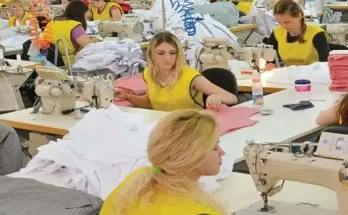
The factories where garments are made are hot spots for resource consumption. Sustainable practices here focus on process optimization:
- Environmental: Adopting waterless dyeing techniques or closed-loop water systems dramatically reduces water usage and the discharge of toxic chemical runoff. Installing energy-efficient machinery and switching to renewable energy sources (solar, wind) directly reduces the facility’s greenhouse gas emissions.
- Social Sustainability: This element is paramount and involves responsible factory auditing to ensure fair wages, safe working conditions, and adherence to international labor standards. This commitment goes beyond compliance and is integral to brand integrity.
Point 3: Logistics & End-of-Life
This stage addresses the journey of the product and its eventual fate.
- Logistics: Companies optimize transport routes to favor shipping and rail over air freight, focusing on efficient packaging and localizing production where possible to minimize the overall carbon footprint.
- End-of-Life: Embracing the circular model means implementing take-back schemes for old garments, offering repair services to extend product lifespan, and partnering with textile recycling innovators to divert clothing waste from landfills.
3. Challenges and the Need for Transparency
Despite the clear benefits, widespread sustainable integration faces significant hurdles. The high initial cost of switching from established conventional technologies to new, greener processes presents a barrier, especially for small-to-medium enterprises. Furthermore, the complexity of auditing global suppliers across different legal jurisdictions creates a landscape ripe for resistance to change.
This complexity fuels the critical need for transparency. Technologies like blockchain are emerging as necessary tools, providing an immutable, traceable record of a garment’s journey—from the fiber source to the finished product. These digital product passports allow consumers and regulators to verify sustainability claims, effectively combating greenwashing, which undermines trust and accountability.
4. The Business Case for Sustainability
Ultimately, sustainability is not merely an expense; it’s a form of risk reduction and a pathway to operational efficiencies. By optimizing water and energy use, companies reduce waste and lower long-term input costs, improving their Return on Investment (ROI). Furthermore, as consumer awareness escalates, a verified sustainable supply chain becomes a potent source of increased consumer loyalty and enhanced brand value. The move to a sustainable supply chain is the only viable path to long-term profitability and brand resilience in the modern fashion industry, ensuring that the thread connecting creator and consumer is strong, green, and responsible.