
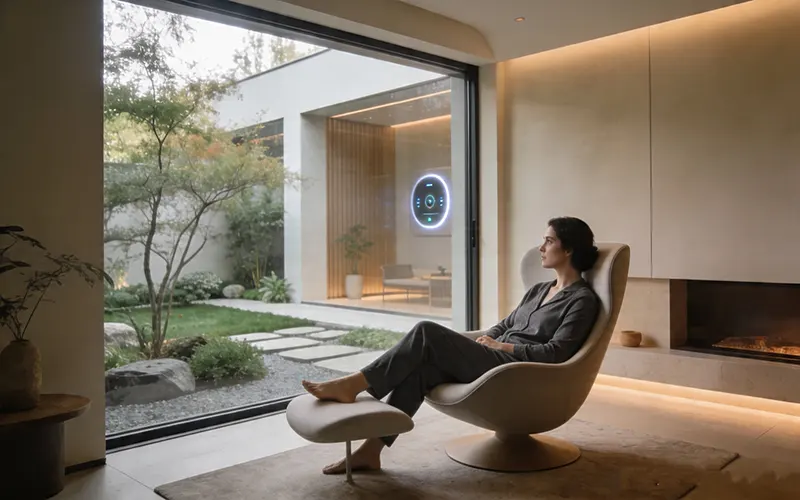
In the fast-moving digital landscape of 2026, the home has transformed from a mere dormitory into a sanctuary for metabolic recovery and deep work. As the boundaries between professional output and personal restoration blur, the “uniform” of the domestic space has undergone a radical evolution. No longer relegated to “old t-shirts” or performance-heavy activewear, the modern professional has embraced Sustainable Organic Cotton Loungewear.
This shift is more than a trend; it is a functional response to the need for a “parasympathetic reset.” By choosing organic fibers, the wearer is not just selecting a garment, but initiating a physical and ethical recovery process that supports both the nervous system and the planet.
The Science of Organic Cotton: Beyond the Surface
To understand why organic cotton is the 2026 everyday essential, we must look at the textile science. Unlike conventional cotton, which is often referred to as the “world’s dirtiest crop” due to its heavy reliance on synthetic pesticides and fertilizers, organic cotton is grown in a system that maintains soil fertility and uses 91% less water.
1. The Breathability Factor and Circadian Health
Skin is our largest organ and a primary regulator of our internal temperature. Synthetic fibers (polyester, nylon) are essentially plastics that trap heat and disrupt the body’s natural thermoregulation. Organic cotton, conversely, offers a porous structure that allows for optimal airflow. In the context of circadian rhythm eating patterns and metabolic health, wearing breathable natural fibers during recovery periods helps lower the core body temperature, signaling to the brain that it is time for rest and cellular repair.
2. Soil Carbon Sequestration
From an industrial sustainability perspective, organic cotton farming acts as a carbon sink. By avoiding synthetic fertilizers, organic farmers encourage soil carbon sequestration, turning the very fields that grow our clothes into a lever for climate mitigation.
Natural Fiber Comparison: The 2026 Recovery Tier
| Fiber | Sustainability Profile | Hand-Feel | Primary Benefit |
| Organic Cotton | GOTS Certified; Low water use. | Soft, breathable, familiar. | Hypoallergenic and skin-safe. |
| Hemp | Regenerative; High carbon sink. | Textured, durable, cooling. | High tensile strength; longevity. |
| Bamboo (Lyocell) | Rapidly renewable. | Silky, fluid, drapey. | High moisture-wicking; soft drape. |
The Anatomy of Modern Loungewear: The Architecture of Ease
The 2026 silhouette for loungewear has moved away from the “slouchy” and toward the “Oversized-yet-Tailored.” This is the architecture of ease: garments that provide maximum physical freedom without sacrificing a sense of professional dignity.
- Wide-Leg Jersey Trousers: Designed with a high, flat-front waistband and an elasticated back to provide a tailored look for video calls while allowing for total abdominal comfort.
- The Dropped-Shoulder Hoodie: A “security” garment made from heavy French Terry. The dropped shoulder ensures no restriction in the rotator cuff, perfect for those who integrate light mobility work into their day.
- Reinforced Flatlock Seams: A technical detail borrowed from high-end athletics. Flatlock seams sit flush against the skin, preventing the micro-irritation that can trigger a stress response during long periods of wear.
2026 Textile Innovations: Botanical Dyes and Circularity
The “Green Premium” in 2026 is no longer just about the fiber; it’s about the finishing. High-authority loungewear brands are now moving toward Botanical Dyes. By utilizing food waste (onion skins, avocado pits) or mineral pigments, manufacturers have eliminated the heavy-metal toxins traditional dyes release into the “Hard-to-Abate” textile supply chain.
Furthermore, we are seeing the rise of Circular Cotton. These garments are engineered for their second life. Designed with 100% organic cotton thread and biodegradable labels, these pieces are fully compostable at the end of their lifecycle or can be mechanically recycled back into new fiber without the contamination of synthetic elastics.
The Supply Chain: GOTS and the “Field-to-Fabric” Link
For the conscious consumer, GOTS (Global Organic Textile Standard) remains the gold standard. It ensures that from the seed to the sewing machine, the garment has met rigorous environmental and social criteria.
The Mindful Morning Ritual
“The transition from sleep to work is a metabolic bridge. By stepping into high-quality organic cotton loungewear, you are signaling to your body that while the day has begun, the environment remains safe and restorative. This ‘sensory priming’ allows for a focused, low-cortisol start to deep work.”
The “Work-from-Home” Bridge: Professionalizing Softness
A key strategy for 2026 everyday wear is the ability to “style up” loungewear.
- The Monochrome Set: Wearing a matching set in charcoal, oatmeal, or navy creates a “column of color” that looks like an intentional outfit rather than pajamas.
- The Layering Trick: Adding a structured linen shirt or a light wool cardigan over an organic cotton tank instantly elevates the look for an unexpected meeting.
- Low-Profile Tech Pockets: Modern loungewear now features integrated, “no-sag” pockets designed specifically to hold mobile devices securely, allowing for a hands-free, untethered movement throughout the home.
Longevity and the Care Ritual
Sustainability is fundamentally about longevity. To care for organic cotton is to respect the industrial resources that created it.
- The Cold-Water Standard: Washing at 30°C preserves the tensile strength of the cotton and significantly reduces the energy footprint of the garment.
- Air-Drying: The high heat of a dryer is the enemy of natural fibers. Air-drying preserves the “bounce” of the knit and prevents shrinkage.
- Botanical Refresh: Using cedar blocks or lavender sachets instead of chemical fabric softeners maintains the purity of the organic fiber and supports a non-toxic domestic environment.
An Act of Stewardship
Sustainable organic cotton loungewear is not a luxury; it is a foundational tool for a well-lived life in 2026. It represents a commitment to personal wellness—protecting the skin and the nervous system—and a commitment to environmental stewardship.
When you choose garments that are grown responsibly, dyed naturally, and designed for recovery, you are participating in a circular economy that values the health of the soil as much as the comfort of the wearer. In the quiet softness of organic cotton, we find the strength to face a complex world with clarity and ease.